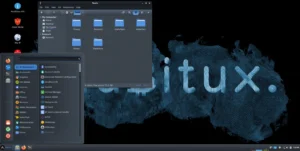
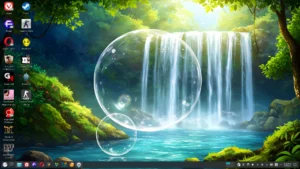
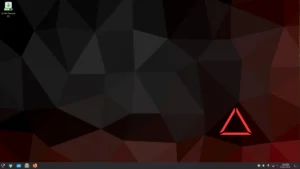
d77void GNU/Linux is a Void-based Linux distribution created to showcase the power and flexibility of Void Linux’s ecosystem, including essential tools like void-mklive and void-packages. Initially launched as a Void respin featuring the Fluxbox window manager, d77void has grown into a versatile platform offering numerous window managers, Wayland compositors, and desktop environment options. This makes it a compelling choice for experienced Linux users seeking a system that combines minimalism, configurability, and a wide range of graphical environments.
The distribution maintains Void Linux’s rolling-release model and simplicity while expanding its accessibility through a curated collection of desktop environments and window managers. From lightweight options like Fluxbox, Openbox, and JWM to full-featured desktops like LXQt and Xfce, d77void allows users to tailor their experience to performance requirements, aesthetic preferences, and workflow needs.
Exploring the Vision Behind d77void GNU/Linux
The main goal of d77void GNU/Linux is to demonstrate Void Linux’s capabilities and provide an experimental platform for testing, learning, and daily usage. By integrating a variety of window managers and compositors, the project allows users to explore different workflows, tiling paradigms, and graphical systems without being constrained to a single environment.
Additionally, the distribution emphasizes education and experimentation. Users can explore Void Linux’s build tools, package management system, and live system creation tools while benefiting from a ready-to-use system that can be installed to a hard disk via the text-mode d77void-installer.

Installation and System Management
Installing d77void GNU/Linux is designed to be flexible yet efficient. The text-mode d77void-installer guides users through partitioning, system setup, package selection, and configuration of desktops or window managers. This approach emphasizes understanding over automation, giving users the ability to configure their system to meet specific needs.
Package management is handled through Void Linux’s xbps system, allowing seamless updates, installations, and removals. Advanced users can use void-packages to build and maintain custom software, while developers can utilize void-mklive to generate live ISOs for testing or distribution.
Flexibility for Different Workflows
One of d77void’s greatest strengths is its adaptability. Users can choose between a minimal tiling window manager like dwm or a full-featured desktop like Xfce. The availability of Wayland compositors such as Sway, Hyprland, and Wayfire allows experimentation with modern display servers, while legacy X11 support ensures compatibility with older applications.
Developers and hobbyists alike can switch environments on-the-fly or maintain multiple setups for testing, making d77void an ideal sandbox for exploring Linux customization and learning about system internals.
Who Should Use d77void GNU/Linux?
d77void is primarily targeted at experienced Linux users, developers, and system enthusiasts who want to explore Void Linux’s ecosystem in depth. The distribution is suitable for:
- Advanced Linux users seeking a lightweight, modular system
- Developers experimenting with Void Linux build tools and package management
- Users wanting to try multiple window managers and Wayland compositors
- Linux educators and enthusiasts creating learning environments or test systems
- Anyone interested in building custom live systems with void-mklive
By providing a flexible platform with extensive options, d77void bridges the gap between experimental Void Linux usage and practical daily deployment for desktop or development purposes.
Why d77void GNU/Linux Stands Out
d77void GNU/Linux demonstrates the power of modularity, flexibility, and community-driven innovation. By offering multiple desktops, Wayland compositors, and direct integration with Void Linux’s tools, it allows users to experiment freely without compromising stability. The distribution empowers users to tailor their Linux experience fully, making it suitable for professionals, hobbyists, and educators alike.
The combination of rolling updates, minimal design, and a variety of graphical environments ensures that d77void remains both cutting-edge and lightweight. It’s an excellent platform to learn, test, and develop within a Void-based ecosystem.
Getting Started with d77void GNU/Linux
For anyone ready to explore d77void GNU/Linux, the project provides clear instructions, documentation, and the option to download the latest ISO directly. Its modularity and range of supported desktops and compositors allow users to create a system that fits their workflow perfectly.
To explore the project, view documentation, or download the latest ISO, Get Download of the ISO.